






The Fusion of Tradition and Modernity: Exploring the Influences of Indian Culture on Interior Design
Contents |
[edit] The influence of Indian culture
India, a land of rich cultural heritage and diverse traditions, has long been a source of inspiration for artistic expression in various forms. When it comes to interior design, the influences of Indian culture are unmistakably vibrant and captivating. From intricate patterns to bold colours, from luxurious textiles to intricate carvings, Indian design elements bring a sense of warmth, opulence, and spirituality to spaces around the world. In this article, our interior designers delve into the key influences of Indian culture on interior design, exploring how these timeless aspects are reimagined and integrated into contemporary living spaces.
[edit] Vibrant Colours and Textiles
One of the most striking features of Indian-inspired interior design is the use of vibrant colours and rich textiles. The colour palette in Indian design ranges from deep reds and blues to earthy tones like ochre and terracotta. These hues are often combined with intricate patterns and luxurious fabrics such as silk, cotton, and wool. Whether it's a handwoven dhurrie rug, a sumptuous silk throw pillow, or an intricately embroidered tapestry, Indian textiles add a layer of texture and visual interest to any space.
[edit] Intricate Patterns and Motifs
Indian culture is renowned for its intricate patterns and motifs, which have found their way into interior design across the globe. From paisleys and florals to geometric designs and animal motifs, Indian patterns are a visual feast for the eyes. These motifs are often seen in decorative elements like rugs, curtains, wall hangings, and upholstery. Incorporating these patterns into a modern interior can instantly infuse a space with a sense of exoticism and elegance.
[edit] Handcrafted Furniture and Artisanal Details
Indian craftsmanship is celebrated for its attention to detail and artistry. Traditional Indian furniture is often handcrafted using age-old techniques passed down through generations. From intricately carved wooden chairs to brass inlayed tables, each piece tells a story of skilled craftsmanship and cultural heritage. By incorporating handcrafted furniture and artisanal details into interior design, one can create a space that is not only visually appealing but also imbued with a sense of authenticity and history.
[edit] Spiritual and Symbolic Elements
Indian culture is deeply rooted in spirituality and symbolism, and these themes often find expression in interior design. From intricate mandala patterns symbolising wholeness and harmony to statues of Hindu deities representing various aspects of life, spiritual elements play a significant role in Indian-inspired interiors. Incorporating these symbolic elements can bring a sense of peace, balance, and positivity to a space, creating a sanctuary for relaxation and contemplation.
[edit] Fusion of Old and New
In contemporary interior design, the fusion of traditional Indian elements with modern aesthetics has become a popular trend. Designers often blend classic Indian motifs with sleek, minimalistic furniture and clean lines to create a harmonious balance between old-world charm and contemporary sophistication. This fusion allows for a unique and eclectic style that speaks to the global citizen who appreciates both tradition and innovation.
[edit] Sustainable and Eco-Friendly Practices
With a growing awareness of environmental issues, Indian-inspired interior design also emphasises sustainability and eco-friendliness. Traditional Indian crafts often utilise natural materials like wood, bamboo, jute, and clay, reflecting a deep connection to the earth and its resources. By incorporating eco-friendly practices and locally sourced materials, designers can create spaces that are not only visually stunning but also environmentally conscious.
In conclusion, the influences of Indian culture on interior design are undeniable, offering a rich tapestry of colours, textures, patterns, and spirituality to inspire and elevate living spaces around the world. By embracing the essence of Indian aesthetics and merging them with contemporary design sensibilities, one can create interiors that are not only visually captivating but also deeply meaningful and soulful. It’s always a good idea to approach a team of interior designers in India with a track record of transforming the traditional into the contemporary while retaining the place’s intrinsic authenticity.
[edit] Related articles on Designing Buildings
- Fish Building, India.
- Golden Temple, Amritsar.
- Great Mosque of Djenne.
- Hagia Sophia.
- Heddal stave church, Norway.
- India looks at using plastic instead of sand.
- India needs to build more infrastructure fast. Here's how.
- Indian construction industry.
- Indian infrastructure.
- Lotus temple.
- Mahabat Maqbara, India.
- Mausoleum.
- Sagrada Familia.
- Shah Cheragh, Iran.
- St. Basil’s Cathedral, Moscow.
- St Peters Basilica.
- Taj Mahal.
- The Kremlin.
- Unusual building design of the week.
- Vastu Shastra.
- Vrindavan Chandrodaya Mandir.
Featured articles
Check out some of the best features and news from Designing Buildings as well as key stories from around the web.
Building Safety Regulator, 19 August

Gill Kernick appointed Independent Chair of Residents’ Panel.
Connecting knowledge, technology and conservation
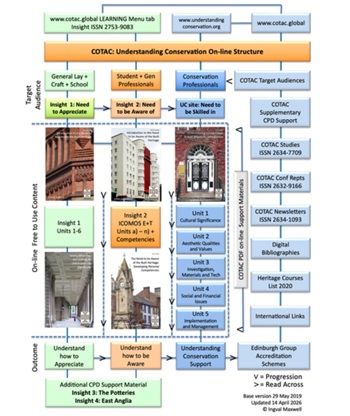
Building competence for the future of built heritage.
Building Regulations and Building Safety Act

CIOB publishes free advice for non-domestic clients.

Building Safety Newsletter from MHCLG.
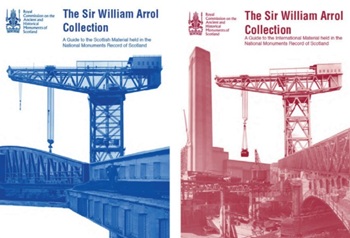
An extraordinary record of steel engineering worldwide.

Households living near new pylons to save on bills.

ECA warns growth must not outpace grid capacity or skills.
The role of the client and decision making

CIOB response to built environment professions call for evidence.
Construction's sustainability reporting revolution

Tracking upfront embodied carbon with digital tools.
ECA welcomes procurement reforms

Public spending must back British jobs and skills.
Campaigning for Edinburgh: the Cockburn Association 1875-2049

The role of the civic voice in protecting character. Book review.
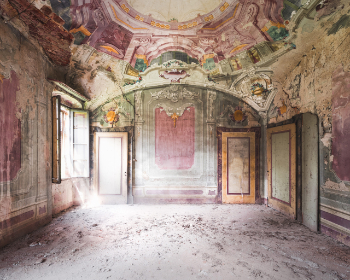
CIOB photography competition is open for entries.